New Validity Standards for Malaysian Travelers
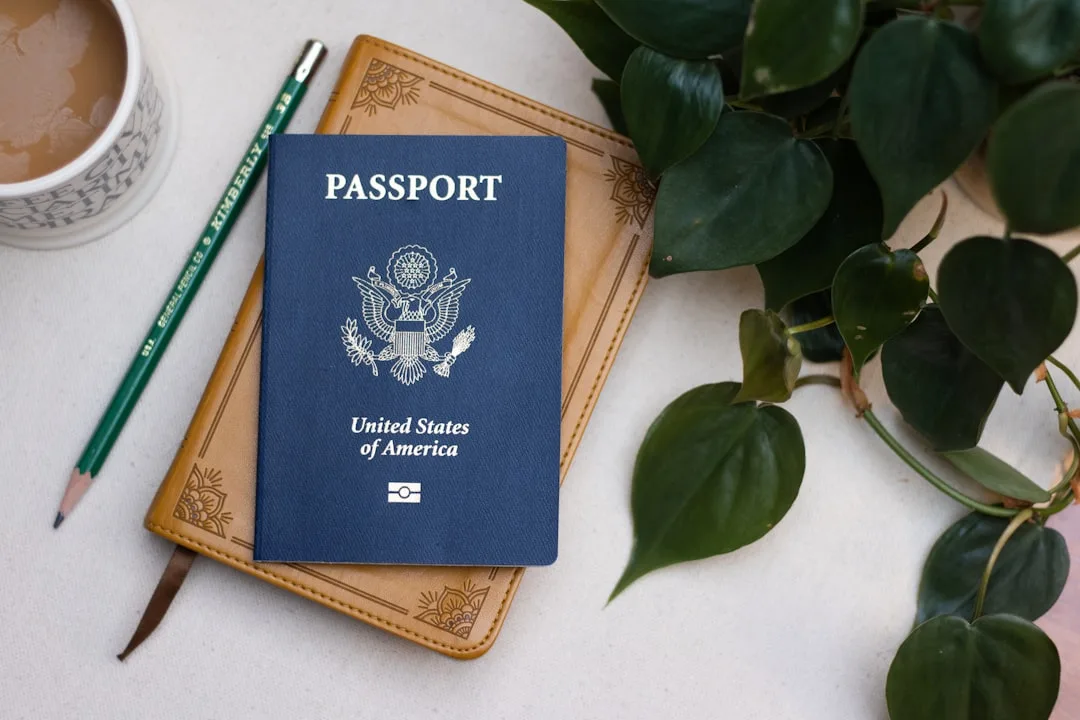
The Malaysian government has officially gazetted a new fee structure that introduces a 10-year passport option for citizens. Published under the Fees (Passports and Visas) (Amendment) Order 2026, this policy shift moves away from the traditional five-year validity period that has long defined the national travel document. The regulation, which became operational on June 3, establishes a baseline fee of RM350 for standard adult applicants between the ages of 18 and 59.
Specific groups benefit from reduced or waived costs under the new order. Senior citizens aged 60 and above are eligible for the 10-year document at a halved rate of RM175. Furthermore, individuals registered as persons with disabilities (OKU) who hold a valid card are entitled to receive the 10-year passport free of charge. Immigration Department personnel are also granted the same fee-free status for their own travel documents.
Why it matters
Extending passport validity to a decade aligns Malaysia with a growing international trend where many nations have transitioned to longer-term travel documents to reduce administrative burdens on both citizens and government agencies. By doubling the validity period, the government aims to streamline the renewal process for frequent travelers, effectively cutting the frequency of visits to immigration offices by half. This adjustment reflects a broader shift toward digital-era efficiency in public service delivery, minimizing the bureaucratic friction often associated with frequent document renewals.
Beyond the convenience factor, the updated fee schedule introduces a tiered penalty system for the replacement of lost or damaged passports. For standard applicants, the cost of replacing a lost document escalates significantly with each subsequent incident, reaching up to RM1,350 for a third replacement. This structure serves as a financial deterrent against negligence, encouraging holders to exercise greater care with their travel documents.
What happens next
While the Fees (Passports and Visas) (Amendment) Order 2026 is legally in force as of June 3, the Immigration Department has yet to provide a definitive timeline for when the public can begin submitting applications for the 10-year version. Prospective travelers should monitor official Immigration Department channels for announcements regarding the physical rollout of these documents. Until such an announcement is made, the existing five-year passport system remains the primary mechanism for international travel documentation.
It is important for applicants to note that not all citizens will transition to the 10-year model. The current provisions for children aged 12 and below, students under 21 pursuing degree programs abroad, and haj pilgrims remain tethered to the five-year passport category. Additionally, the definition for student passport eligibility has been tightened, now specifically requiring enrollment in a degree program abroad rather than general studies.
Public Impact and Eligibility
The introduction of this policy directly affects adult residents who travel frequently for business or leisure. By providing a longer-lasting document, the government reduces the time and effort required for administrative compliance. However, the tiered replacement fees represent a significant financial impact for those who misplace their passports multiple times, necessitating a more cautious approach to document security. Families with students abroad should also review the updated eligibility criteria to ensure their travel documents remain compliant with the new degree-specific requirements.
Via The Star.