Market Reaction to Diplomatic Shifts
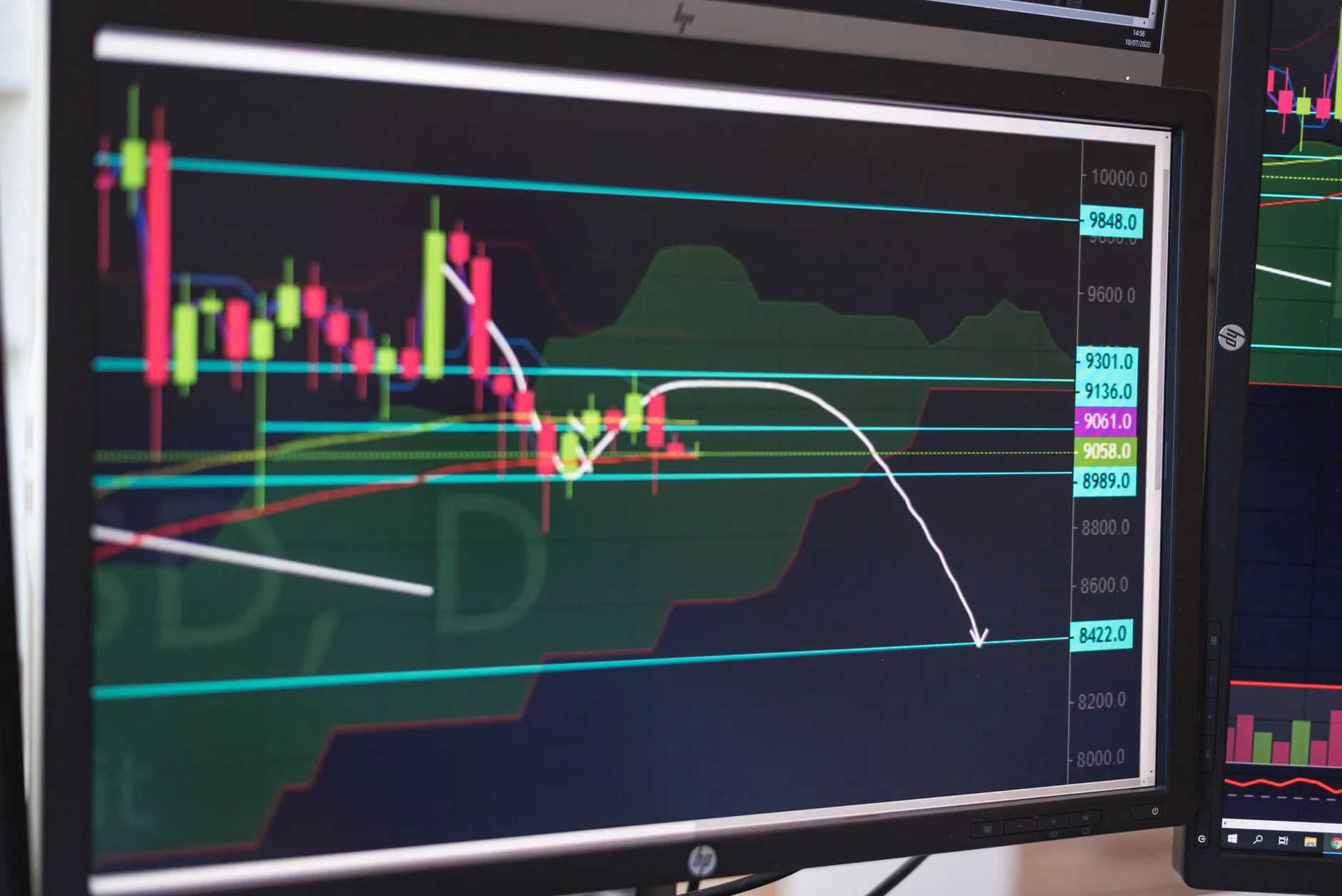
Global energy markets experienced a cooling effect during early Asian trading on Thursday, as Brent crude fell 1.24% to $96.60 per barrel. West Texas Intermediate followed a similar trajectory, dropping 1.10% to reach $94.96. This downward movement arrives after a volatile week for energy traders, who saw benchmarks surge by more than 5% earlier in the session when previous peace negotiations appeared to collapse. The current price adjustment reflects a cautious market response to the announcement of a U.S.-brokered ceasefire agreement between Israel and Lebanon.
Background and Context
The Israel-Lebanon conflict has been a longstanding issue in the Middle East, with roots tracing back decades. The current ceasefire agreement is part of a broader effort by the U.S. to stabilize the region and facilitate a larger deal with Iran. The Strait of Hormuz, a critical maritime chokepoint, has been closed due to the conflict, significantly impacting global oil supply chains. The closure has led to a tight oil market, with declining inventories and elevated prices affecting consumers and businesses worldwide.
Understanding the Regional Conflict
The core of the current agreement involves Hezbollah withdrawing fighters from southern Lebanon to cease hostilities against Israel. Under the terms, the Lebanese Armed Forces are designated to assume exclusive control of the region, effectively removing non-state actors from the area. While this diplomatic framework aims to stabilize the border, skepticism remains high among investors. A similar ceasefire attempt in April failed to halt the fighting, and reports indicated that exchanges of fire continued as recently as Wednesday, despite the latest diplomatic efforts.
Historically, the Israel-Lebanon conflict has been marked by periodic escalations and brief periods of calm. The involvement of Hezbollah, a Shia Islamist political party and militant group, has added complexity to the conflict, as it receives support from Iran. This connection has often drawn the conflict into broader regional dynamics, including the ongoing tensions between the U.S. and Iran.
Why it matters
The significance of these negotiations extends far beyond the immediate border conflict, as market participants are closely watching for any potential impact on the Strait of Hormuz. The closure of this critical maritime chokepoint has created an exceptionally tight global oil market. Should the current diplomatic momentum lead to a broader U.S.-Iran deal, the reopening of the Strait would provide much-needed relief to supply chains. However, the energy sector remains wary, as historical patterns suggest that geopolitical agreements in this region often face significant implementation hurdles.
The Strait of Hormuz is a vital artery for global oil trade, with approximately 20% of the world's oil supply passing through it daily. The prolonged closure has led to a significant drawdown in global oil inventories, increasing the risk of price spikes and supply shortages. The reopening of the Strait would not only alleviate these pressures but also provide a much-needed boost to global economic stability.
Public Impact and Supply Constraints
Consumers and businesses continue to face the consequences of restricted supply, which has kept prices elevated for months. The latest data from the Energy Information Administration (EIA) highlights the severity of the situation, showing that commercial crude inventories dropped by 8 million barrels for the week ending May 29. Total stockpiles now sit at 433.7 million barrels. These declining reserves mean that the market has fewer buffers to absorb sudden shocks, making the stability of the Strait of Hormuz a primary concern for global energy security.
The impact of elevated oil prices is felt across various sectors, from transportation and manufacturing to agriculture and retail. Higher fuel costs translate into increased prices for goods and services, affecting consumers' purchasing power and overall economic growth. The prolonged closure of the Strait of Hormuz has exacerbated these challenges, highlighting the interconnectedness of global energy markets and the broader economy.
Political Pressures in Washington
Domestic politics in the United States are adding another layer of complexity to the energy outlook. The House of Representatives recently passed a resolution aimed at restricting President Trump's authority to conduct military operations against Iran without explicit congressional approval. Although the measure faces an uncertain future in the Senate and a likely presidential veto, it signals growing legislative scrutiny. President Trump indicated on Wednesday that negotiations with Iran might yield progress by the weekend, though Iranian Foreign Minister Abbas Araqchi provided a more measured assessment, stating that both sides are still reviewing exchanged texts.
The political landscape in Washington is marked by increasing polarization and scrutiny of executive actions, particularly in matters of foreign policy and military engagements. The resolution passed by the House reflects a broader trend of Congress asserting its oversight role, which could have implications for future diplomatic and military initiatives. The outcome of these political dynamics will be closely watched by market participants, as they could influence the trajectory of U.S.-Iran relations and, consequently, the stability of global oil markets.
What happens next
Market observers are waiting to see if the ceasefire holds long enough to facilitate more substantive talks between Washington and Tehran. If a lasting peace is achieved, the logistics of reopening the Strait of Hormuz will become the central focus. Industry projections suggest that even after the Strait reopens, oil output recovery will be a slow process; Kuwait, for instance, has estimated that its production levels will require 10 to 12 weeks to return to normal. Traders will likely monitor daily reports on military activity and official statements from both the U.S. and Iranian governments to gauge the durability of the current diplomatic window.
The path forward is fraught with uncertainties, as the success of the ceasefire and subsequent negotiations will depend on the commitment of all parties involved. The international community, including key stakeholders such as the European Union and regional powers, will play a crucial role in supporting and sustaining the peace process. The reopening of the Strait of Hormuz and the restoration of normal oil flows will require coordinated efforts and sustained diplomatic engagement.
Historical Context of Supply Disruptions
The current market environment mirrors previous instances of supply disruptions in the global oil market. One notable example is the 1973 oil crisis, which was triggered by an embargo imposed by the Organization of Arab Petroleum Exporting Countries (OAPEC) in response to the U.S. support for Israel during the Yom Kippur War. The embargo led to a significant reduction in oil supplies, causing prices to quadruple and resulting in widespread economic repercussions.
Like the 1973 crisis, the current situation underscores the vulnerability of global energy markets to geopolitical tensions and supply disruptions. The lessons learned from past events highlight the importance of diversifying energy sources, enhancing energy efficiency, and strengthening international cooperation to mitigate the impact of future supply shocks. As the world navigates the complexities of the current oil market, the historical context provides valuable insights into the potential outcomes and the steps needed to ensure energy security and stability.