How a proposed airport expansion could reshape Toronto’s housing and waterfront
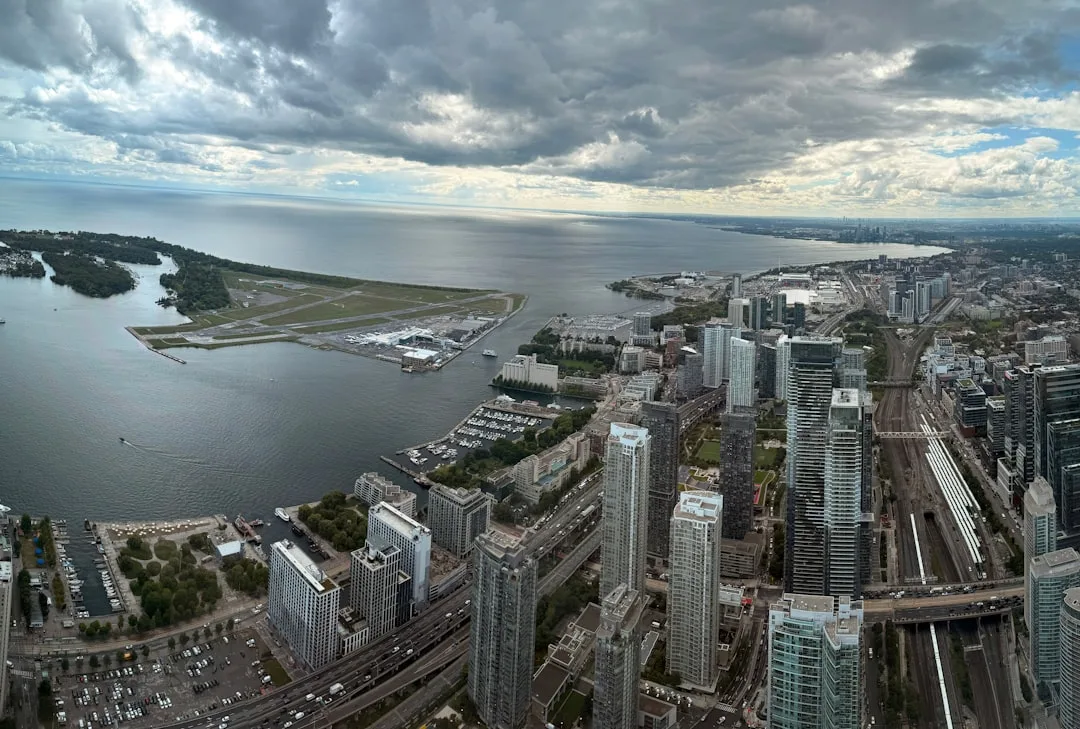
A newly released city staff report has raised serious concerns about the potential fallout from a proposed expansion of Billy Bishop Toronto City Airport, warning that nearly 94,000 planned residential units could fall within a newly expanded flight path. The report, prepared in response to a request from the city’s Planning and Housing Committee, highlights that 86,000 existing and planned homes are already situated in areas affected by current flight procedures. Under the proposed changes, the number of impacted units would rise by 8,000, spreading across downtown waterfront neighborhoods, the Port Lands, and south Etobicoke. The expansion could force height restrictions on buildings, limit development potential in high-growth areas, and increase the number of residents living under flight paths by about 25%.
City officials have emphasized that without a detailed expansion plan from the province, it remains difficult to assess the full scope of the impact. The report states that a definitive analysis of housing supply, transportation, and traffic effects cannot be provided until more information is available. Toronto Mayor Olivia Chow has echoed this uncertainty, noting that no clear blueprint has been shared by the Toronto Port Authority or the provincial government. “I still have not seen a clear plan or any plan from the Toronto Port Authority as to what it is that they are trying to do,” Chow said in recent remarks. “How long is the runway? What is the plan? What is the business plan?”
Premier Doug Ford has defended the expansion, arguing it will create thousands of jobs, improve runway safety, and generate economic benefits for Toronto, the Greater Toronto Area, and Ontario. He has also claimed the project will not use taxpayer funds and will proceed with consultation involving the city, federal government, and Toronto Port Authority. However, Prime Minister Mark Carney has stated he has not yet formed an opinion on the proposal, contradicting Ford’s assertions of federal support. The premier has also dismissed concerns about parkland encroachment and housing impacts, asserting that only a small portion of Little Norway Park would be affected.
Why it matters
The stakes of this expansion extend far beyond airport operations. Toronto’s waterfront and Port Lands are among the city’s most rapidly developing areas, with thousands of new homes, parks, and commercial spaces planned over the next decade. An expanded flight path could disrupt these plans by imposing height restrictions, reducing property values, and degrading the livability of outdoor spaces such as balconies and patios. Noise pollution and air quality concerns could also deter potential buyers and investors, particularly in a market already sensitive to environmental and quality-of-life factors. For renters and homeowners in affected neighborhoods, the expansion could mean higher noise levels, reduced property values, and limited access to outdoor amenities—issues that disproportionately affect lower-income households who may have fewer options to relocate.
Beyond housing, the expansion raises broader questions about urban planning and environmental justice. The Port Lands and waterfront are critical to Toronto’s climate resilience strategy, with ongoing projects aimed at flood mitigation and sustainable development. An airport expansion that disrupts these efforts could undermine long-term city goals. Additionally, the project’s potential to benefit private investors, including J.P. Morgan Asset Management—through its ownership of Nieuport Aviation, which manages the airport terminal—has sparked criticism from opposition parties and community advocates who argue that public land should not be used to enrich private entities.
What happens next
The next critical step in this process will be the release of a detailed expansion plan by the Toronto Port Authority and the provincial government. City staff have made it clear that without this blueprint, a comprehensive impact assessment is impossible. Mayor Chow and other critics have called for transparency, urging the province to share specifics about runway length, development timelines, and environmental mitigation measures. The Toronto Port Authority has indicated it is considering a runway extension of up to 1.83 kilometers and a land mass of up to 2.1 kilometers, but these figures remain preliminary.
Legally, the province has taken steps to assert control over the airport lands by passing legislation to assume the city’s role in the 1983 tripartite agreement governing the airport. This agreement involves the federal government, the Toronto Port Authority, and the city. The federal government has not yet indicated its position, with Prime Minister Carney stating he has not made up his mind. Meanwhile, opposition parties at Queen’s Park have raised concerns about the lack of public consultation and the potential for the expansion to prioritize private interests over community needs. Public consultations, if held, could provide a platform for residents and stakeholders to voice their concerns, but the timeline for such processes remains unclear.
For the expansion to proceed, multiple layers of approval will be required, including environmental assessments, zoning changes, and federal sign-off. The city’s ability to influence the outcome is limited, given that the majority of the airport land is owned by the federal government and the Toronto Port Authority. However, public pressure and political opposition could shape the final plan, potentially leading to modifications or alternative proposals that address housing and environmental concerns.
The broader context: Airport expansions and urban growth
Toronto is not alone in grappling with the trade-offs of airport expansions in densely populated areas. Similar debates have unfolded in cities like London, where the proposed expansion of Heathrow Airport faced legal challenges over noise pollution and carbon emissions, and in New York, where LaGuardia Airport’s redevelopment sparked concerns about displacement and community disruption. In each case, the tension between economic development and quality of life has forced policymakers to weigh the benefits of increased connectivity against the costs to residents and the environment. Toronto’s situation is particularly complex due to the city’s rapid growth, limited land supply, and the high stakes of waterfront development. Unlike airports built on the outskirts of cities, Billy Bishop is embedded in one of Canada’s most valuable real estate markets, making its expansion a high-risk, high-reward proposition.
Who is affected and why
The most immediate impact of the proposed expansion would be felt by the nearly 94,000 residents living in or near the expanded flight path. These individuals could face increased noise pollution, reduced property values, and limited development opportunities in their neighborhoods. Renters, in particular, may struggle to find affordable housing if new construction is constrained by height restrictions or zoning changes. Homeowners could see their property values decline, especially in areas where outdoor spaces become less usable due to noise and air pollution. Small businesses in the waterfront and Port Lands areas may also be affected, as reduced foot traffic and a less desirable living environment could impact their revenue.
Developers and investors in Toronto’s housing market would face significant uncertainty, as the expansion could disrupt carefully laid-out plans for new residential and commercial projects. The city’s long-term growth strategy, which relies on dense, mixed-use development in the waterfront and Port Lands, could be undermined by an airport expansion that prioritizes aviation over urban planning. Additionally, the project’s potential to benefit private investors, including those with ties to international financial firms, has raised concerns about the prioritization of corporate interests over public needs. Community advocates have argued that the expansion could exacerbate inequality, as the burden of noise and environmental degradation would fall disproportionately on lower-income households who lack the resources to relocate or mitigate the impacts.
Report based on information from CP24.